

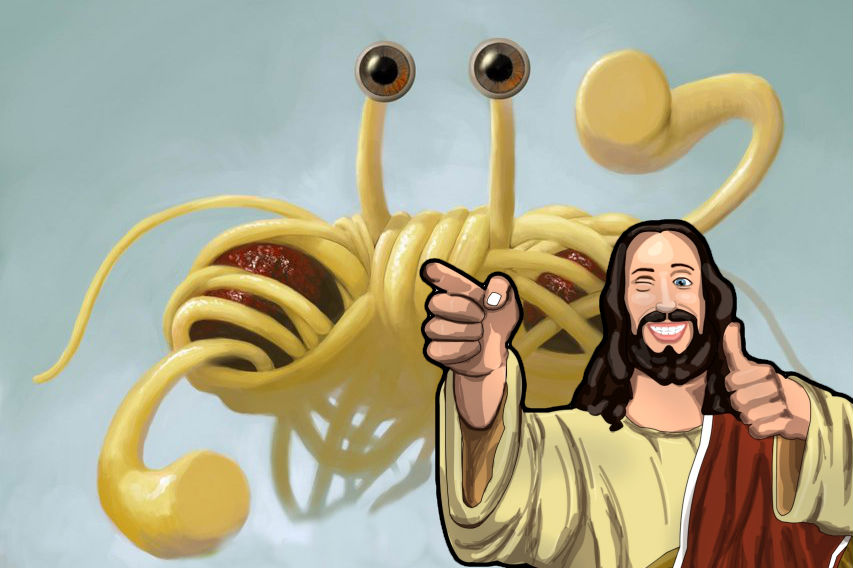
Paradox?
I don’t think that debate or arguing is ever effective with atheists. I simply try to love them and be happy. Each of them will feel a pull toward the divine in their own lives and come to what ever level of acceptance they can. They may not perceive it as an impulse for the appreciation of God, but rather a respect for the beauty of nature or the love of life or admiration of humanity.
I love atheists for respecting the senses and logic that God has granted them. In many cases they can be the most Christlike people – specifically because of their lack of belief in God. I know this sounds strange, but let me explain.
Christ wanted each of us to be transformed through faith in Christ. This transformation takes us from being prideful and self-centered creations of God to becoming Children of God acting out of pure love and charity. To be transformed in such a manner we must act in Love as a sincere expression of this new creature that we have become – and not out of a self-serving attempt to place God in our debt in an effort to earn heavenly rewards. To be sure, it is God who empowered that change, but Christ and God are the embodiment of love. People who have not heard the name of or believe in Jesus or of Christ can still have their hearts transformed to one which acts out of Love.
Any act of authentic love is a worthy offering to God. Acts professed to be of love but done by a unregenerated self professed Christian begrudgingly out of pretended duty or as an effort to earn a place in heaven in a sort of debt transaction cannot qualify.
One who acts in love out of an authentic expression of their own heart rather than an attempt at a divine debt transaction is still worthy of Gods approbation. Christ taught in the parable of the Two sons that the son who refused to do his Father’s will at first but then did it after all played the higher part (Matthew 21:28–32).
An atheist who sincerely acts in love and compassion can only be said to have acted in an authentic manner reflecting the transformed nature of their heart. They have no belief in God and as such cannot have acted in an effort to “earn their way” into heaven.
Read this atheist code of morality and apply Christ’s lesson of the son who first refused the father, then acted in obedience. Where you read a denial of God or the divine, consider that the initial refusal:
- An atheist loves his fellow man instead of god. An atheist believes that heaven is something for which we should work now – here on earth for all men together to enjoy.
- An atheist believes that he can get no help through prayer but that they must find in themselves the inner conviction and strength to meet life, to grapple with it, to subdue it, and enjoy it.
- An atheist believes that only in the knowledge of themselves and a knowledge of their fellow man can they find the understanding that will help to a life of fulfillment.
- An atheist seeks to know themselves and their fellow man rather than to know a god. An atheist believes that a hospital should be built instead of a church. An atheist believes that a deed must be done instead of a prayer said. An atheist strives for involvement in life and not escape into death. An atheist wants disease conquered, poverty vanquished, war eliminated. An atheist wants man to understand and love man.
- An atheist wants an ethical way of life. An atheist believes that we cannot rely on a god or channel action into prayer nor hope for an end of troubles in a hereafter.
- An atheist believes that we are our brother’s keepers and are keepers of our own lives; that we are responsible persons and the job is here and the time is now.
Christians reading this list will recoil at the denials of God, prayer or heavenly support. The father in the parable likely recoiled when the first son refused his requests. What is left after considering those denials is good, however. There is more sincerity and love in this moral creed than hate. There is more of the practical work here that a born again Christian would find themselves doing as an expression of who they are, transformed in Christ.
Certainly, many atheists will not act out of love, but out of selfishness and pride, however this is true of all of us.
I see many atheists as the son who at first denied the request of the Father, but then acted according to his will. Since our call as Christians is to love, I try to find a way to see the love that Christ taught of in their lives – even if they don’t attribute it to Him. If it is there, I consider it authentic and give them credit for it.

Very nice!!! Everyone should exude this type of behavior despite their religious or non religious beliefs. Different opinions are what makes the world go round. Thank you!!!