

[toc]
A couple of weeks ago I wrote about the exchange of letters between LDS sociologist Dr. Lowry Nelson and the First Presidency of the LDS Church on the issue of racism surrounding the ban on blacks receiving the priesthood. As far as I know, that was the first time that the whole exchange between those parties was ever published in full. As previously discussed, Dr. Nelson’s landmark essay in the Nation Magazine started a national conversation about race in the church that ultimately saw a change occur 26 years later.
It turns out that there is more.
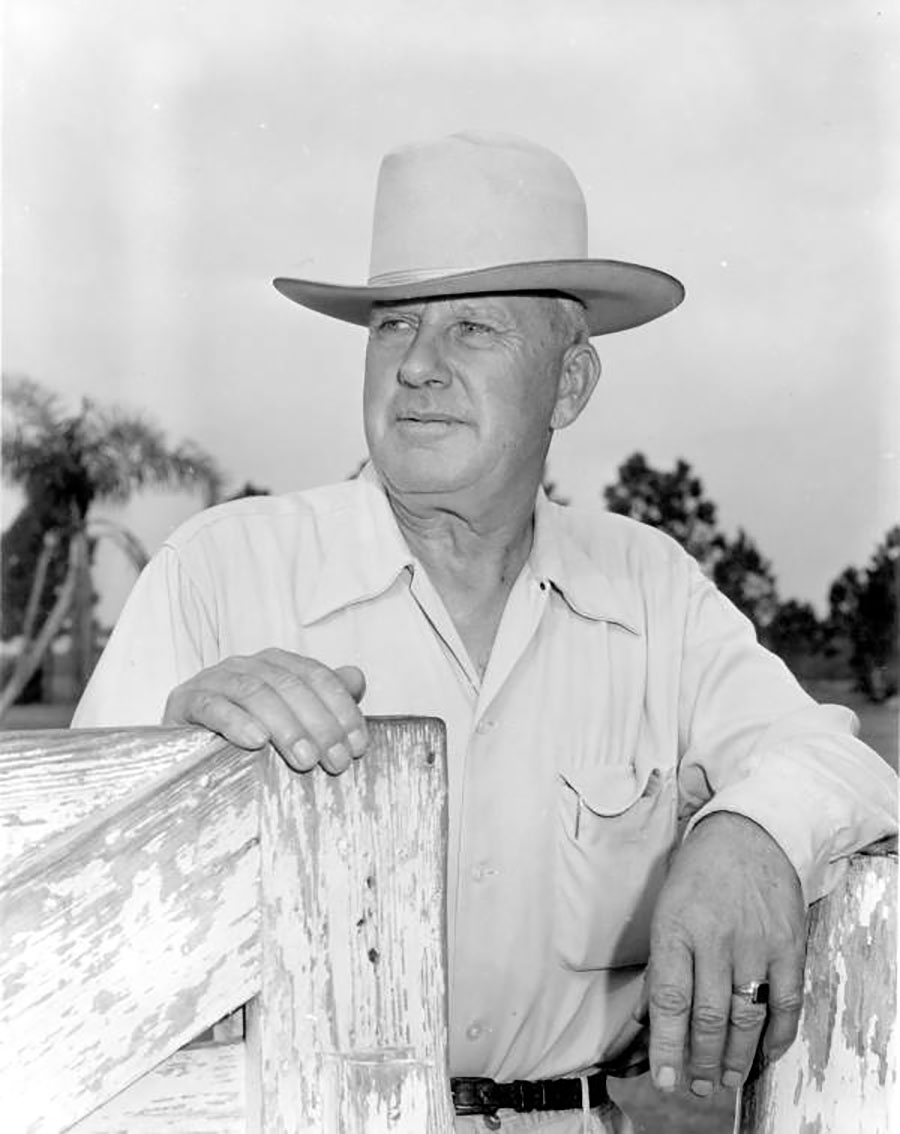
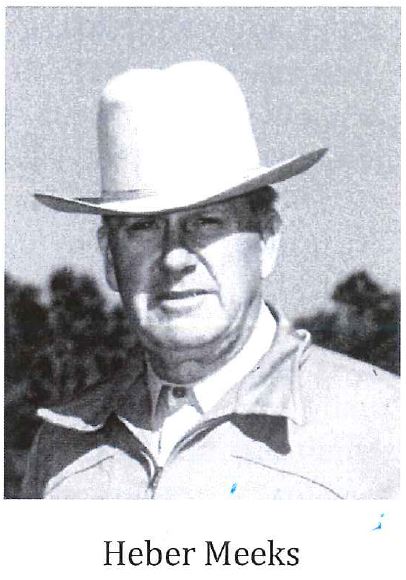
Heber Meeks
If you recall from the first exchange of letters, The conversation was started when Dr. Nelson’s old schoolmate Heber Meeks requested his opinion on the cultural and societal status of Cuba. The original exchange of letters was uncovered by examining the collection of papers left to the University of Utah by Dr. Nelson. It turns out that Heber Meeks also left a collection of his papers with Brigham Young University, and a careful search of his collection has revealed more communications.
Meeks was preparing a report on Cuba for the First Presidency in order to assess the potential of expanding missionary efforts and church presence in that country. Dr. Nelson’s letter in reply to Meek’s inquiry included a probing assessment of Church doctrine regarding race and a statement that if the church continues to practice what he termed “white supremacy”, it would be best if no missionary expansion to Cuba took place. Dr. Nelson CC’d his letter to the First Presidency. I have previously covered the subsequent conversation between Nelson and the First Presidency in detail. Thankfully, Meeks saved Nelson’s letter of 26 June 1947 and it can be found in Meeks collected papers bearing Nelson’s signature. You can view the full, original, signed letter from Nelson to Meeks here.
The Cuba Report
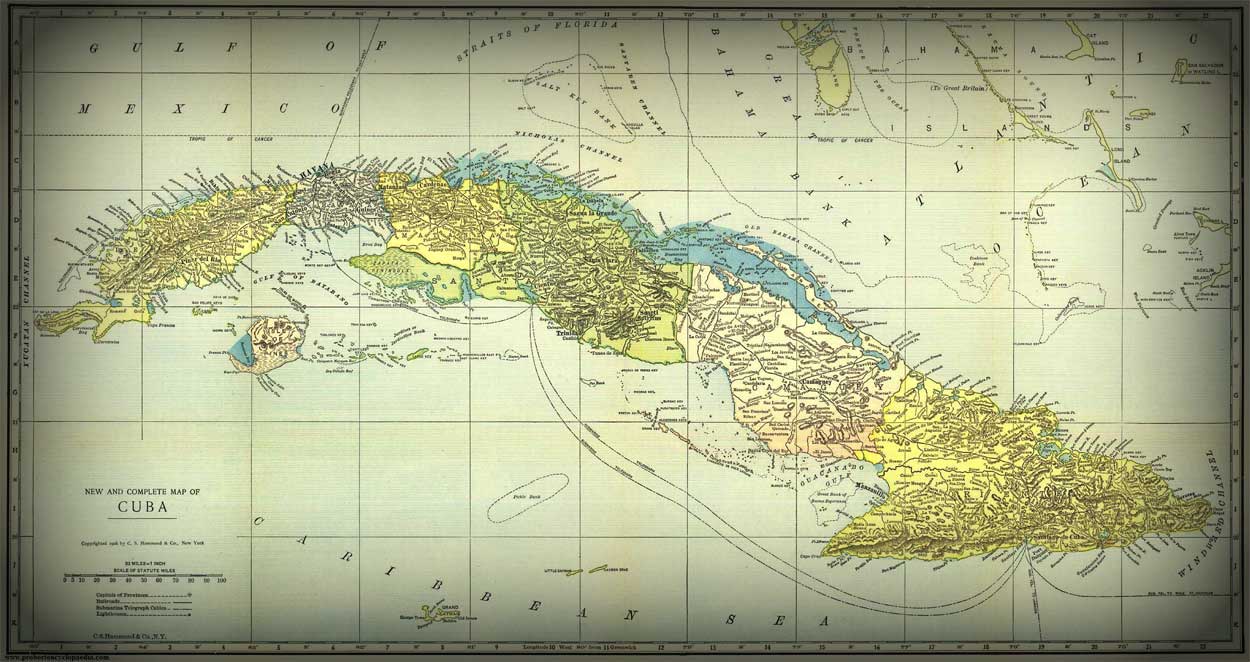
Cuba – The Little Melting Pot
Presumably Meeks continued his research into Cuba and prepared his report without knowledge of the subsequent exchange of letters between Nelson and President George Albert Smith. Gathering information from census data, his own time visiting the country and input from several academics and government agencies, as well as the feedback from Dr. Nelson, Meeks produced a 15 page report detailing his findings. (You can view the full report here)
Pure White Blood
Meeks starts out his report by summarizing his analysis to identify five determining factors affecting the issue of Cuban Missionary expansion ((Introductory letter, Heber Meeks to First Presidency, archive.org)) :
- The number of pure white blood on the island
- Is the trend toward the preservation of this pure white blood
- Will there be an increase in the pure white blood
- Would an injection of our doctrine into the Cuban situation of no racial discrimination be wise
- Should the Gospel be taught to the Negro
If you recall from Meeks’ first letter to Nelson, he appears to have a particular interest in the concept of “pure white blood”. One of his first queries is as follows:
“Are there groups of pure white blood in the rural sections, particularly in the small communities?”
(Heber Meeks Letter to Nelson Lowry, 20 June 1947)
Nelson’s initial response addressed this concept directly:
There are no pure races; on this anthropologists are in general agreement. Of course, this does not mean that Negro blood exists through out the white race or vice versa . There is grave doubt, however, as to the purity of the Nordic, Mediterranean, or even the Negro.”
(Lowry Nelson letter to Heber Meeks, 26 June 1947)
Meek’s focus on racial purity of blood may be the result of a personal perspective as to the reasons for the ban on black men receiving the priesthood. He appears to have maintained this focus on purity of blood despite the correction that Dr. Nelson provided. The theme of “pure white blood” appears throughout the Cuba report.
Other groups have also maintained a focus on the concept of purity of blood and race. The Ku Klux Klan, in particular, condemned the “Mongrelization” of America through inter-racial marriage:
“Purity of the white blood must be maintained. One of the crying evils of the times is the mixture of white bloodwith that of Negro. This evil has gone on since Colonial days until perhaps more than half of the Negroes in the United States have some degree of white blood flowing in their veins. This condition is not only biologically disastrous but is giving rise to grave social problems. Mulatto leaders who, under present social conditions, arc forced to remain members of the negro group and who aspire to white association because of their white blood are boldly preaching racial equality in all of its phases. The guilt for this state of affairs rests upon both members of theWhite Race who for a moment of sexual pleasure have betrayed their own kind and bartered their own blood. It has become necessary to devise some means for the preservation of the white blood in it’s purity, because, despite prohibitive laws, racial intermixture is continuing and the problem of mixed blood is becoming more and more acute.”
(Ideals of the KKK, 194-? archive.org)
Of course, when talking about purity of white blood nobody does it better than our favorite mustachioed artist from Germany:
“Blood mixture and the resultant drop in the racial level is the sole cause of the dying out of old cultures; for men do not perish as a result of lost wars, but by the loss of that force of resistance which is contained only in pure blood” and “What we must fight for is to safeguard the existence and reproduction of our race and our people, the sustenance of our children and the purity of our blood, the freedom and independence of the fatherland, so that our people may mature for the fulfilment of the mission allotted it by the creator of the universe.” (“Mein Kampf“, Adolph Hitler)
As uncomfortable as it is to acknowledge, on the issue of white blood purity Meeks’ original letter and his Cuba report would fit in very comfortably on a shelf with the Doctrine of both the KKK and Third Reich. How would the First Presidency respond to a report saturated with such elitist, bigoted and racist ideas? We will soon see, but first it would be helpful to examine the full content of the Cuba Report.
The White Element
In describing the white population of Cuba and assessing it’s purity Meeks goes into some detail about how these pure sections document and maintain their purity.
Genealogy and Segregation
Any time the purity of blood is an issue – genealogy become of supreme importance. This is the means whereby one can document and prove the purity of their blood. This is seen somewhat in the importance of genealogies among the Levites who needed to prove their lineage to perform as priests among the Israelites. Genealogy was so important to the Third Reich that “SS officers had to zealously research their pedigree back to 1750 and other high level Nazi Party functionaries had to go back to 1800” and extensive state resources were expended to microfilm and index birth records, baptisms, marriages and family trees ((http://www.researcheasterneurope.org.uk)). Wherever you find a focus on genealogy, the implicit fact is that blood matters. Meeks described how the white Cubans have tracked and preserved their own lineage though social and economic segregation and the strict maintenance of genealogies :
“It was the consensus opinion of the authorities with whom we discussed this situation that there are, in Cuba at the present times, approximately one million of pure white blood. …From these reliable and authoritative sources and from our observation this group in the urban sections is maintaining a strict segregation from the colored race. Professional, business, and some civic clubs, whose membership comes from the above group do not permit membership to anyone with colored blood. We visited at these clubs as the guests of Dr. Romeu y Jaime, and we observed no one who possessed any of the colored characteristics. We were advised that genealogies were carefully checked of all members.” (“Report on Visit to Cuba“, Heber Meeks, 23 July 1947)
As further evidence of the dedication of the white Cuban’s in preservation of their pure bloodlines, Meeks included a brief anecdote from the lives of one of the academics he consulted with:
“Dr. Fortan related this incident in his own family which illustrates how carefully these groups are guarding the purity of their blood. His daughter became interested in a young man from one of the southern provinces who was attending the University of Cuba. Dr. Fortan made a special trip to the boy’s home town some 500 miles to check his genealogy. He discovered that one of the boy’s uncles was of Negro blood. This ended the courtship”
(“Report on Visit to Cuba“, Heber Meeks, 23 July 1947)
It is important to keep in mind that Dr. Fortan was not a member of the church and his actions could hardly serve to indict Mormons on racist charges, however one may wonder why Meeks included such a tale – was it to show positive proof of a desired trend in the society? What assertion was this story meant to support? Meeks answers this question directly:
“It was the unanimous opinion of the men we contacted that the lines of race discrimination will be drawn more sharply in the future, and on a broader base between this white group of approximately one million and the colored element. Also, that the pure white group will increase in proportionate numbers over the colored group. There is a definite trend in this direction at the present time.”
(“Report on Visit to Cuba“, Heber Meeks, 23 July 1947)
Meeks makes it clear that these stories and trends support the notion that the purity of the white blood in Cuba is on track to increase among the populace. What Meeks sees as a promising feature of the Cuban landscape.
Targeted proselytizing
Meeks next turns his attention to the contrast between the Church’s missionary efforts in South America and the situation in Cuba. He notes that:
“The situation in Cuba differs from these countries in that the population is very concentrated and the people of negro blood are predominate in numbers and have a higher social status and are more active in government affairs. This makes the problem more acute in Cuba. That is the problem of doing missionary work among the white element. It creates rather a delicate situation in making our appeal only to the whites”
(“Report on Visit to Cuba“, Heber Meeks, 23 July 1947)
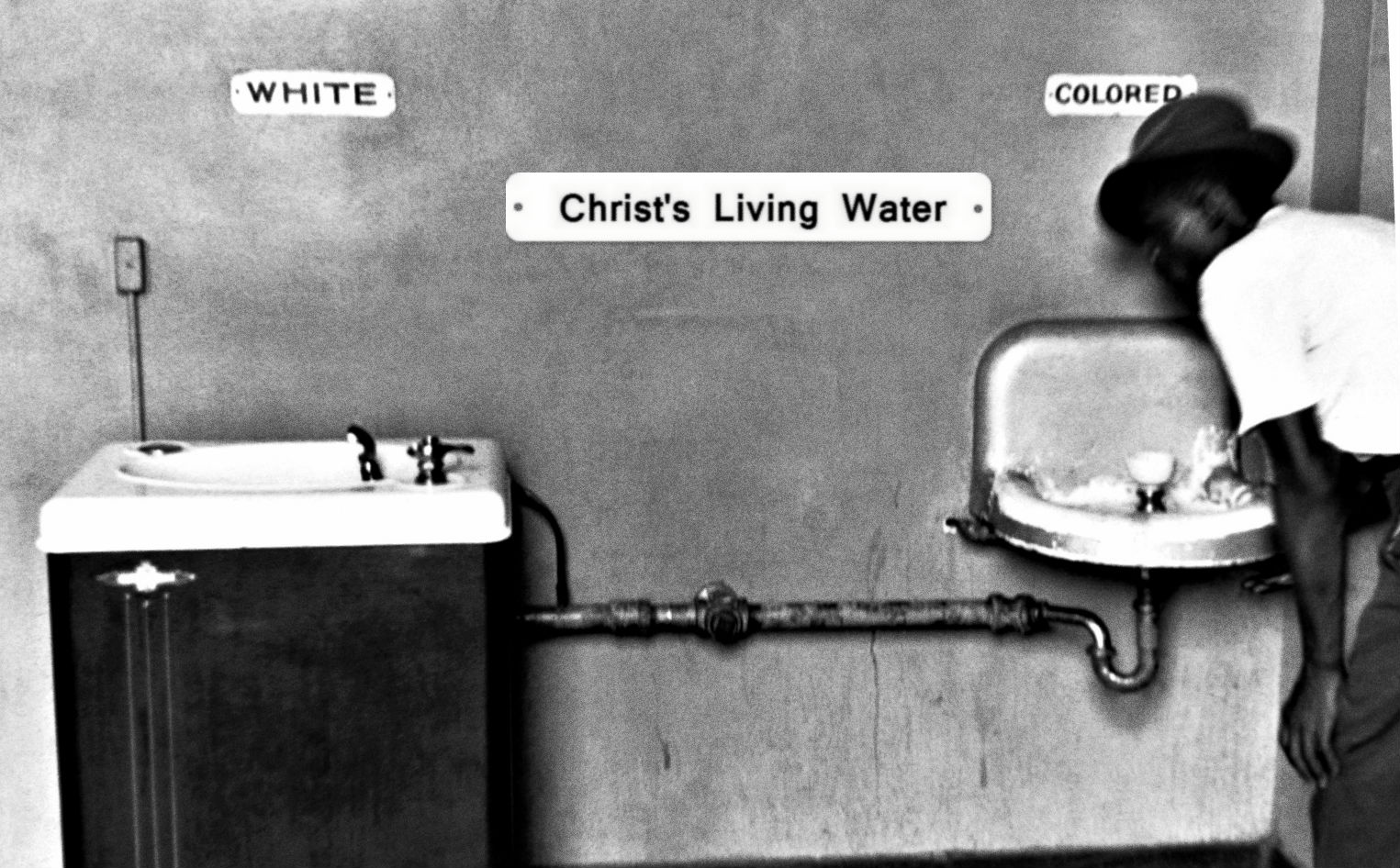 Here Meeks offers a historical insight into something that I had only ever heard as rumor – the idea that missionaries were discouraged or forbidden from actively preaching the Gospel to black people prior to the ban being removed. I had heard of this previously, but assumed that it was an aberration of an overzealous mission president – certainly not something that was condoned as a general rule from the highest levels of church authority.
Meeks continues to expand on this problem of excluding the majority black population to focus on the pure white majority and what that may invite:
“In my opinion, our opportunity is to work among the approximately one million whites. This would of necessity be our only approach and our work limited to this group. This would necessitate sending missionaries with a fine educational background who could meet and present the gospel to the professional and business groups of the white race. I feel there is an intelligent approach to the problem and if the situation is handled with some finesse and diplomacy, missionary work may be successful in Cuba.”
(“Report on Visit to Cuba“, Heber Meeks, 23 July 1947)
Existing Protestant Missionary Efforts
After covering some basic information about the political makeup of Cuba, Meeks turns his attention to the several missionary efforts which have long been in place by other denominations.
“Several Protestant churches are doing active missionary work in Cuba. Baptists, Methodists, Presbyterians have churches in the principal cities. Their activities are confined largely to the urban centers. They maintain schools and hospitals. The Baptists are perhaps the most active…. Their most effective missionary work is done by native Cubans. The native Cuban members contributed last year $38,897.68 to the Baptist Church. They proselyte among the negroes. No discrimination is shown.”
(“Report on Visit to Cuba“, Heber Meeks, 23 July 1947)
Meeks then goes on to describe the strong Catholic presence and cultural attitudes towards existing religions as well as the educational environment.
Contrast Meeks report with the Mission report of the Presbyterian Church as they open their mission efforts to Cuba in 1899. there is not a single mention of “negro” “black” “skin” “race” or any distinction other than souls which may benefit from the message of Christianity. ((“Annual Report of the Board of Home Missions of the Presbyterian Church” books.google.com))
The contrast between the concerns of pure white blood which are causing hesitation among the Mormon leaders and the longstanding missionary efforts already in place by Protestant and Catholic faiths is informative. What better demonstration of the differences between a faith’s outlook towards all of humanity than the racial discrimination of to whom who you bring the Gospel message of salvation and peace. Perhaps this simply reflects Meeks’ own flawed understanding of God’s plan. How will the First Presidency respond – will they correct his error? Will will find out soon enough, but first Meeks turns his attention to the “negro situation” as it exists in Cuba.
The “Negro Problem”
The “Negro Problem” in Cuba, according to Meeks, is that there is not enough racial segregation:
“The Negro situation in Cuba presents a problem. There is no race discrimination other than social with groups as previously stated. They mingle together freely and also show, business and political activities. They have intermarried freely. There are not available accurate records to determine who has Negro blood among the average Cuban. ”
(“Report on Visit to Cuba“, Heber Meeks, 23 July 1947)
Meeks goes on to explain why this diverse integrated society presents a problem for the church. The problem arises because it presents an awkward social conflict with the Church’s policy of only actively preaching the Gospel to white people. In an integrated society, having to step around the 4 million black and mixed race populace to selectively convert the 1 million in possession of “pure white blood” is bound to foster resentment, suspicion and raise uncomfortable questions about the perception of white supremacy.
Since the societal pressures not to preach to black people don’t exist in Cuba, Meeks contemplated the possibility of integrated congregations.
“In Cuba there would be no such barrier in proselyting among the Negroes. The whites and colors would attend the same meetings. They would socialize and all the religious activities. The elders could preside over them and socialize with them.”
(“Report on Visit to Cuba“, Heber Meeks, 23 July 1947)
While this appears to be a positive prospect, Meeks points out that the prohibition on blacks holding the priesthood presents a difficulty in such an integrated scenario:
“Here the question arises, and this, it seems to me, is all important: what will be the Negroes reaction, in a country where there is no race discrimination, to the doctrine that he cannot hold the priesthood and thus be denied executive leadership in the church, while his Spanish neighbor may enjoy such a privilege. Would injecting this doctrine into this Cuban situation cause repercussions that may bring the church in disrespect in that country? May there not be political reaction against such a missionary effort?”
(“Report on Visit to Cuba“, Heber Meeks, 23 July 1947)
In summarizing this quandary, Meeks then quotes Nelson’s letter which states that so long as the church preaches a doctrine of “White Supremacy” it would be a tragic disservice for missionary efforts to expand into Cuba. An assertion which Meeks subsequently categorizes as shortsighted.
Meeks Soliloquy
 Meeks takes several paragraphs to interject his own musings on the issue by posing a number of questions. First, he muses on whether or not teaching the Cuban blacks about racial purity and their proper status regarding the priesthood would benefit rather than harm them:
“We may well ask ourselves the question, would it be a tragedy to teach them the truth. Would it be a disfavor to teach them racial purity? Would not the Negro be a happier race if they knew their racial status and enjoyed the blessings of membership in the Church, it’s purifying influence in their lives – without holding the Priesthood – then in their present tragic plight in the world. Has not the gospel helped the American Negro who accepted of it? In my opinion many of the negroes would accept the gospel and be happy in the church.”
(“Report on Visit to Cuba“, Heber Meeks, 23 July 1947)
Then he asks whether it would be an injustice to keep the Whites in the dark about racial purity:
“We may ask ourselves the question, are other people entitled to this knowledge? The cursed negro blood would not be in their veins had they known the truth. What of these one million whites, are they entitled to the gospel?”
(“Report on Visit to Cuba“, Heber Meeks, 23 July 1947)
Meeks explains that if these whites knew about the importance of maintaining their pure white blood – then they wouldn’t fall into the evil of interracial marriage and miscegenation. Remember that according to LDS doctrine, the resulting offspring would be heirs to the curse and banned from priesthood ordination.
In support of injecting the program of the Church and it’s philosophy into Cuba despite these concerns, Meeks invokes scriptural and historical examples of Jonah, Amos, Paul and Joseph Smith himself boldly proclaiming Gospel truth in lands that would seem to carry many disfavoring factors.
Concluding his comments, he enumerates the many programs of the Church and the real needs of the Cuban people which they would serve – echoing Dr. Nelsons statements about the same. “They need a vital religion. The social, recreational, and cultural activities of the Church would be warmly received by the people.”
Conclusion and Recommendation
In presenting his conclusion, Meeks outlined 4 reasons that the Church should stay out of Cuba:
- Possible reactions against the Church introducing a doctrine of “race superiority” into an existing condition of race equality.
- Difficulty of determining the negro blood in large part of the population.
- The sins of the people (mixing white and colored blood through marriage) have denied them the blessings of the Gospel
- They are of Latin blood and if opposition arose, local or general, it would be swift, intense and ruthless.
And weighed these with 7 reasons that the Church should enter Cuba:
- It is the commission of the Church to preach the gospel to every nation, kindred, tongue and people.
- There are at least one million people on the island who are preserving their racial purity, that are entitles to all the blessings of the gospel.
- There is a great need for the gospel – the program of the church – among the white people.
- The white element would be responsive to the program of the church.
- With the right approach certain negro elements may respond to the gospel. They have in America.
- Cuba’s nearness to America and an organized Mission would make trial missionary effort feasible.
- The responsibility for the gospel not going to the five million Cuban people should be upon their own souls not ours.
After covering all of these factors, Meeks makes the following recommendation:
“I cannot bring myself to recommend – after days of prayerful consideration that we stay out of Cuba. I cannot overcome the feeling that these people are entitled to the truth.”
First Presidency Responds
It is clear that Heber Meeks is a product of his time and culture. By modern standards the “Report On Visit to Cuba” is packed full of racist, paternalistic and bigoted assertions. These include: 1) notions of racial or blood purity and superiority 2) condemnation of inter-racial marriage identified as “mixing blood” which brings a curse upon offspring 3) justification for withholding the gospel of salvation for reasons of impure or cursed race 4) trivializing or ignoring the needs of corrupt or cursed races in favor of addressing the needs of white people.
Meeks compiled his report and sent it off to Salt Lake City to be reviewed by the Prophet and his counselors themselves. How would they respond? Would they take the time to correct this misguided mission president on his “theories” about race upon which he was basing his analysis? Meeks soon found out.
On 8 August, 1947, Current Prophet and President George Albert Smith sent a letter to Meeks acknowledging receipt of the Cuba report. (read the full letter bearing the Prophet’s signature here) After two brief introductory sentences President Smith immediately points out that Meeks report seemed to rely heavily on Dr. Nelson’s responses:
“We note that you seem to attach considerable importance to a communication sent to you by Dr. Lowry Nelson, that communication bearing date of June 26, 1947, which apparently was in response to a letter from you to Dr. Nelson under date of June 20, a copy of which was sent to us by Dr. Nelson.”
(Letter to Heber Meeks, President George Albert Smith, 8 August 1947)
This confirms that the letters covered in the prior article were genuine. The Prophet continues:
“For your information we quote below a letter which we sent to Dr. Lowry Nelson covering some of the more important parts of his letter which he wrote to you. We wish to reiterate to you that the church cannot view with any tolerance or symptom of approval this idea of the intermarriage of whites and blacks, and therefore all activities which would tend either directly or indirectly to encourage such intermarriages must be carefully avoided by the Church.”(Letter to Heber Meeks, President George Albert Smith, 8 August 1947)
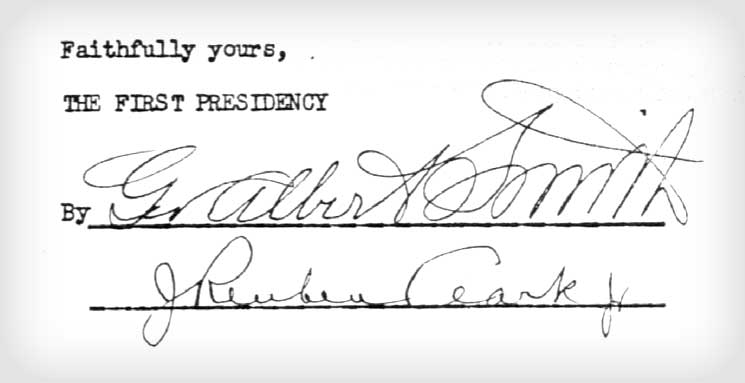
The Prophet’s Signature on his response to Meeks.
The remainder of the communication from President Smith is simply a copy of the letter written to Dr. Nelson, which I covered in the previous article. As a reminder, the letter reinforces all of the churches doctrine on the Curse of Cain and Ham, pre-mortal unrighteousness in the first estate justifying black skin and priesthood prohibition, condemnation of interracial marriages and the fact that these notions are doctrine which originated from the Prophet Joseph Smith himself.
Did the prophet correct Meeks’ assertions of white blood purity? His prioritization of the needs of white people over the minorities? His exclusion of blacks from Gospel teaching? Not in the least. By responding in such a manner the Prophet not only did not rebuke or disavow the contemptible racist statements contained in the report – but he reproved Meeks for not being firm enough in his recommendations against racial intermarriage. Essentially, Meeks wasn’t racist enough!
Conclusion
Many people may read the original communications between Dr. Nelson and the Prophet and the communications outlined here and think that the issue is about race. They would be mistaken. The racism included in this report and all of the responses by the earlier prophets is just the symptom. The real question that is posed by these anecdotes is much more basic – Are prophets inspired of God? This is the same issue that is really underlying prior controversies of the Adam-God doctrine and Blood Atonement. Older Prophets have once taught these matters as God’s Doctrine and they are now re-branded “theories” by current Prophets and utterly disavowed. Can the Church continue to re-invent it’s past and expect member not to see the implications?
P.S. Fundamentals of Following the Prophet
In his 1980 BYU talk “Fourteen Fundamentals in Following the Prophet” Apostle Ezra Taft Benson outlined the core ideas of how members should relate to the Prophet and president of the church.
1. The prophet is the only man who speaks for the Lord in everything.
2. The living prophet is more vital to us than the standard works.
3. The living prophet is more important to us than a dead prophet.
4. The prophet will never lead the church astray.
5. The prophet is not required to have any particular earthly training or credentials to speak on any subject or act on any matter at any time.
6. The prophet does not have to say “Thus Saith the Lord,” to give us scripture.
7. The prophet tells us what we need to know, not always what we want to know.
8. The prophet is not limited by men’s reasoning.
9. The prophet can receive revelation on any matter, temporal or spiritual.
10. The prophet may advise on civic matters.
11. The two groups who have the greatest difficulty in following the prophet are the proud who are learned and the proud who are rich.
12. The prophet will not necessarily be popular with the world or the worldly.
13. The prophet and his counselors make up the First Presidency—the highest quorum in the Church.
14. The prophet and the presidency—the living prophet and the First Presidency—follow them and be blessed—reject them and suffer.
Point #1 makes it clear that any time a member differs from the Prophet on a matter of doctrine or any other matter – the Prophet is to be deferred to. Points 2 & 3 show a hierarchy of primacy. The living prophet trumps a dead prophet and prophets trump scriptures. As such, if there is a conflict between scripture and what a living prophet says – follow the living prophet against the scriptures. If there is a conflict between what a living prophet is saying and what a dead prophet said – follow the living prophet. Further more, point #6 indicates that a prophet does not have to say “thus saith the Lord” and points #5, 7, 8, 9 & 10 indicate that a member should follow the prophet in all things, anytime the prophet speaks.
Suppose a man disagrees with the prophet on a point of doctrine through a clear, logical basis of reason. Point #8 allows the prophet to defy reason and still be justified. Furthermore point #11 allows others to condemn that man who would disagree as proud in his learning (and pride of wealth if he was unfortunate enough to be rich). If the man persists in his opposition to the prophet and has negative events in his life – he can be assumed to be paying the price foretold in point #14.
What is a member with a conscience to do? Dr. Lowry Nelson, making the forceful responses to the Prophet may be said to have been in violation of most all of these fundamentals. History has vindicated him. Subsequent prophets have sided with him. All of these facts make us have to reflect, in particular, on point #4 “The Prophet will never lead the church astray.” If the church were to ever acknowledge that a prophet had infact led the church astray – then this would invalidate point #4 as false. This would then invalidate most all of the remaining fundamentals that Benson outlined.
Members would be left to consider matters of doctrine on the merits of their own conscience and a personal direct appeal to God without surrendering their judgement to prophets or apostles. If God speaks to men, directly and without intermediary, through the power of the Holy Ghost – then members should not fear and should welcome this new intimate relationship with God. That is certainly what Dr. Nelson and many others have been doing all along.
P.P.S. Alterius Culpam – Someone else’s fault
Dealing with it’s racist past has been a challenge for the Church. The phrase “racist past” alone is one which the church still does not acknowledge. “The Church cannot, itself be racist”. “The members may have been racist – but they have come along way since the 1940’s.” “The leaders were simply a product of their time.” All of these explanations have been proffered by the recent leaders and LDS apologists. The Church exists upon the basis of Doctrine. President Smith, again in his reply to Meeks, reaffirms that the ban on blacks receiving the priesthood is the result of Doctrine – just as he did to Dr. Lowry.
Recently, the church issued a statement on Race and the Priesthood in which it re-branded the Doctrines President Smith imposed upon Nelson as “theories” put forward by prior members and LDS leaders. The statement reads:
“Over time, Church leaders and members advanced many theories to explain the priesthood and temple restrictions. None of these explanations is accepted today as the official doctrine of the Church.” (“Race and the Priesthood“, lds.org)
One problem with this statement is that it places blame on the members as well as the past Prophets. As covered in the prior section – according to LDS doctrine the Prophet is presumed to be correct and the members must all get in line with that thinking under threat of suffering or excommunication. As such, members should never be blamed by the Church for simply following Prophetic teachings. For the current Prophet to include members in the explanation of prior racist ‘theories’ is completely reprehensible and smacks of a cowardly desire to spread blame as far and thickly as possible. Members and lower level leaders were looking to the Prophets to provide the foundation and justification for any and all of the racist theories that they advanced. From an outsiders perspective, these members should be accountable for just going along with such obvious hateful, poisonous doctrine, however, from an insiders perspective they were simply adhering to a deeply rooted fundamental of their religion – Follow the Prophet!
Another problem with this statement is that it changes what one Prophet declares to be official Doctrine into a theory. It is understandable why they did this. As discussed in the prior article, renaming the ban on priesthood ordination as a ‘policy’ rather than a ‘doctrine’ allowed the Church to reverse it’s course while still maintaining an aura of legitimate authority. So too must this be done to the scriptural and prophetic rationale that justified that practice. Since these justifications were not actions, but instead explanations arising from doctrine, then they are termed “theories”. As before, the blame is shifted to the flawed members and leaders of the past and the sterling role and authority of the present Prophet is maintained.
As stated previously – the underlying issue is not of racism. The issue is whether or not the men who claim to speak for God actually do or not. These changes on the issue of racism, Adam-God, Blood atonement, polygamy and others reveal something about the nature of latter-day Prophets and Doctrine. They do not stand the test of time. How long before the members start to realize that today’s Prophets and Doctrine, accepted as God’s mouthpiece and word, are liable to be disavowed and discredited by the Prophet of tomorrow? Where then should they place their faith? That will be up to each member – their own conscience and God to decide. In doing so they reclaim their own independent identity – free from the shackles of uninspired men.
Thank goodness that the “Meeks” did not inherit the earth…

This post is part of the Thoughts on Race collection. Click here for more.

The problem with the last paragraph is that the Church’s doctrines haven’t changed on any of the issues listed. The Church’s positions on racism, Adam-God, blood atonement, and polygamy are exactly the same as they’ve always been. Policies can and do change to meet the needs of the people, but I challenge anyone to find a difference between the Church’s previous positions on any of those points and its current position.
Thanks!
Otter,
Read this article and check out the references and see if you still feel the same way:
http://thoughtsonthingsandstuff.com/if-adam-be-god-let-him-be-god/
Yes, I do feel the same way. Brigham Young clearly taught (as does the Bible) that Adam is one of the names of God, but that doesn’t mean that He’s the same guy as the Adam in the Garden of Eden. In fact, President Young expressly taught on literally thousands of occasions (whether in person or by proxy) that the two are completely different beings.
Just starting to read this and I got to thinking, wouldn’t having “pure white blood” actually mean having a serious and often fatal medical condition called leukemia?